

December 1, 2025
What to Do After a Hailstorm in St. Louis
Hailstorms are a fact of life in the St. Louis area. When they hit, the damage is not always obvious, and the wrong next step can cost homeowners time, money, and insurance coverage. If your neighborhood just saw hail, here is what to do next, in the right order.
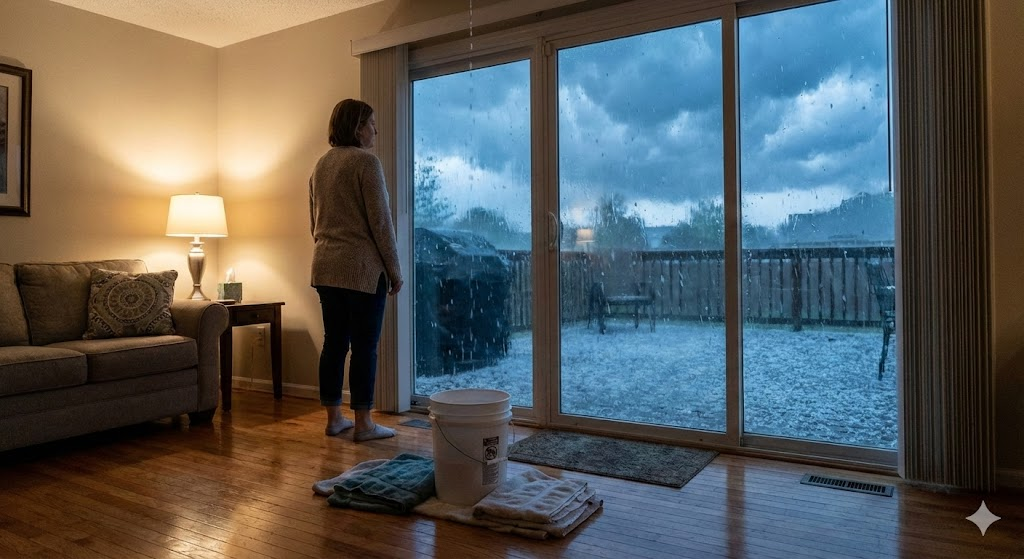
1. Make Sure Your Home Is Safe
Start with safety, not inspection.
- Stay inside until the storm fully passes
- Watch for downed power lines or broken tree limbs
- Check ceilings and walls for active leaks
- Move vehicles out of damaged areas if possible
If water is entering the home, place buckets and towels immediately. Temporary protection matters if you later need to document storm-related damage.
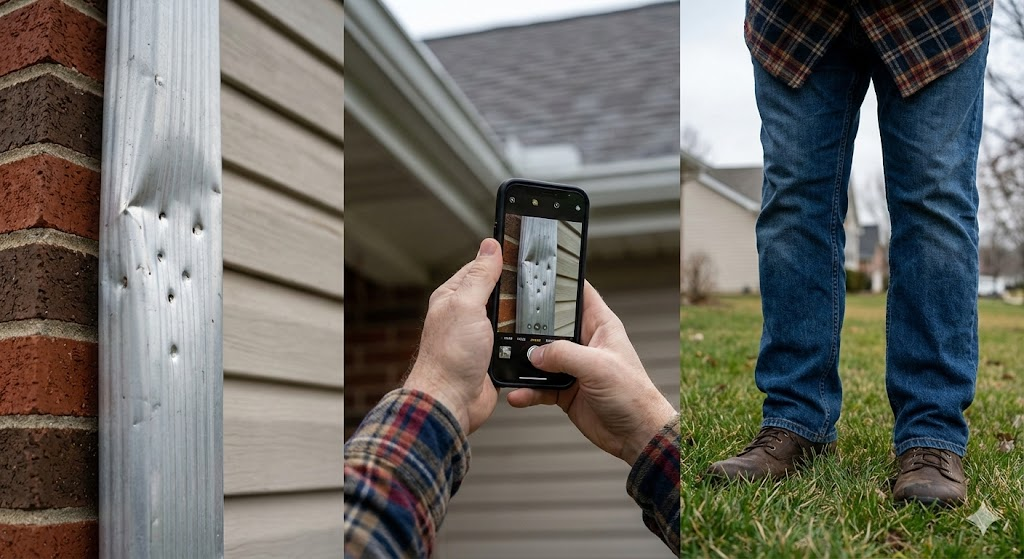
2. Do a Ground-Level Walkaround
You do not need to climb the roof to spot warning signs.
Look for:
- Dented gutters, downspouts, and window wraps
- Cracked or chipped siding
- Hail marks on AC units or metal vents
- Shingle pieces or granules near downspouts
In St. Louis, hail often damages soft metals before shingles show visible failure. These exterior clues matter during insurance evaluations.
3. Take Photos Right Away
Documentation starts now, not after a leak appears.
- Photograph hailstones if they are still visible
- Capture wide shots of all roof slopes from the ground
- Take close-up photos of gutters, siding, vents, and flashing
- Note the date, time, and location of the storm
Clear photos taken early help establish storm timing, which insurance carriers rely on when reviewing claims.
4. Avoid Quick Signatures and Door-to-Door Offers
After major St. Louis hail events, out-of-town contractors move fast.
Do not:
- Sign contracts on the spot
- Agree to let anyone file a claim on your behalf
- Accept pressure tactics or promises of a free roof
A legitimate contractor will inspect first, explain findings clearly, and let you decide the next step.
5. Schedule a Professional Storm Damage Inspection
Hail damage is not always visible from the ground or days later.
A proper inspection checks:
- Shingle bruising and fractures
- Wind-lifted or unsealed shingles
- Flashing damage around chimneys and walls
- Vent boots and soft metal components
- Decking concerns where impact transferred below
In the St. Louis region, freeze and thaw cycles can worsen hail damage quickly. Early inspections help prevent delayed failures.
6. Decide When to Contact Your Insurance Company
You do not need to file a claim before understanding the damage.
A professional inspection helps you:
- Confirm whether damage meets claim thresholds
- Avoid unnecessary claims on your record
- Present clear documentation if you proceed
Once you open a claim, the process starts. Knowing the condition of your roof first puts you in control.
7. Protect the Roof If Damage Is Confirmed
If the inspection shows exposed areas or active risk, temporary protection may be necessary.
This can include:
- Emergency tarping
- Securing loose shingles
- Sealing vulnerable flashing points
Temporary measures help prevent interior damage and show responsible homeowner action.
8. Monitor the Home Over the Next Few Weeks
Some storm damage shows up later.
Watch for:
- Ceiling stains or drywall bubbling
- Musty odors in the attic
- Dripping during heavy rain
- Shingles shifting or lifting after wind events
Delayed symptoms are common after hailstorms in Missouri, especially on older roofs.
Why Local Experience Matters After a Hailstorm
St. Louis homes face unique conditions.
- Frequent hail and wind events
- Older roofing systems throughout the metro area
- Insurance scrutiny after regional storms
A local contractor understands how adjusters evaluate damage in this market and how Midwestern weather accelerates roof failure.
Take the Right Next Step
If your home was in the path of a recent hailstorm, do not wait for a leak to appear. A professional inspection gives you clarity, protects your home, and helps you make informed decisions without pressure.
Family First Exteriors provides storm damage inspections for homeowners across the St. Louis area, with clear documentation and straightforward guidance at every step.